
Named after the 99th mayor of New York City, Fiorello La Guardia, LGA has been serving world travelers since 1939. Before that it operated as an airport for private planes, and before that it was the grounds of an amusement park. Since it began handling commercial flights, LGA has welcomed millions of passengers to NYC. Hidden within the airport is a monument to the history of American aviation: the Marine Air Terminal. It was originally used as a base for seaplanes, but since landing on water went out of fashion, it was repurposed and renovated. During its first renovation, the famous James Brooks mural, entitled “Flight,” was covered up, leaving a great hole in the hearts of LGA passengers and staff. In 1980, one devoted employee raised funds to have the painting restored. In 1982, the freshly painted terminal was declared a National Historic Place. It now stands as a beautiful secret to wander through when you’re waiting for a connecting flight.
City Page Type: Destination
-

The Juilliard School
For a performing arts school that produces elite world-renowned artists, the Juilliard School is actually pretty small. Only 800 students attend Juilliard. That’s less than most high schools! But those 800 students represent the future of performing arts. The school was first formed in 1905 by Dr. Frank Damrosch, a true champion of American music, who sought to create an opportunity to study music in the U.S. when the only options for serious musicians were European conservatories. At the time of its founding, it was called the Institute of Musical Art. In 1968, after opening dance and drama divisions, the school got its current name: the Juilliard School. Today Juilliard instructs students from every state and 33 different countries in dance, drama, music, and every discipline in between. Its students present about 700 performances every year, most of which are open to the public.
-

John F. Kennedy Airport
With travelers landing, taking off, and making connections at an extraordinary rate, the John F. Kennedy International Airport has earned its reputation as the busiest airport in the Northeast. 50 million passengers pass through its terminals every year. It’s got restaurants for a quick bite or a lavish meal, shops for necessities and luxury goods, and even a special facility for the care of traveling animals known as the ARK. It’s fully-equipped and technologically advanced, so much so that one of its runways, the Bay Runway, doubles as a backup landing spot for NASA space shuttles. JFK is centrally located with many hotels close by, but it’s soon to have a hotel right at its core. The TWA terminal, known for its unique architecture and artistic accents, will be converted into a luxury hotel with 512 rooms for high flyers and expert travelers. In the meantime, there are hundreds of hotels in the area that can serve as home base for your New York trip.
-
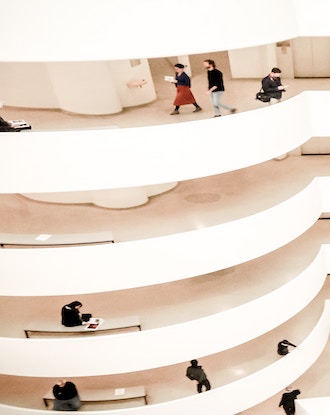
Guggenheim Museum
The Solomon R. Guggenheim Museum contains one of the most impressive collections of modern and contemporary art in the world. The art collections are curated to inspire guests to explore ideas and concepts that bridge global cultural distinctions. In addition to the New York museum, the Guggenheim also curates art collections in Venice, Bilbao, and Abu Dhabi. The Guggenheim Foundation was founded in 1937 but it officially opened the first New York-based venue for art displays when it opened the doors to the Museum of Non-Objective Painting two years later in 1939. The foundation’s first gallery space was designed by William Muschenheim and gave visitors unique glimpses into the art of Vasily Kandinsky and some of his followers, including Alice Mason and Otto Nebel. In the early 1940s, a more permanent space for the Guggenheim collection was designed by renowned architect Frank Lloyd Wright in New York City. That location officially opened its doors to visitors in October of 1959, six months after the acclaimed architect passed away. To this day, it is known as one of the most important buildings he designed during the latter part of his career.
-
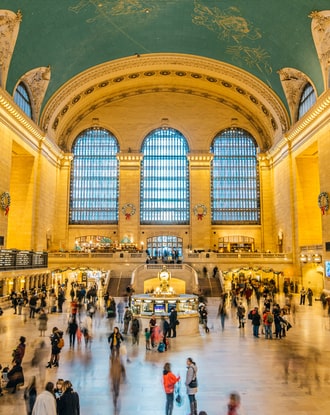
Grand Central Terminal
Since 1913, Grand Central Terminal has operated as a transportation hub, with millions of commuters and tourists moving through its halls every year. Whether you’re just passing through or spending the day exploring its secrets, you’ll be amazed by the attention to detail in its design. Parts of the building have 48-foot ceilings, there’s a clock designed by Tiffany & Co., and golden chandeliers hang in the Vanderbilt Hall. Besides its architectural beauty, there are many reasons to visit GCT. There’s a European style market, a tennis club, a cocktail bar, an oyster bar, and many other opportunities for tasting, shopping, and having fun. You can even rent Vanderbilt Hall for a glamorous event like a wedding or corporate awards show.
-
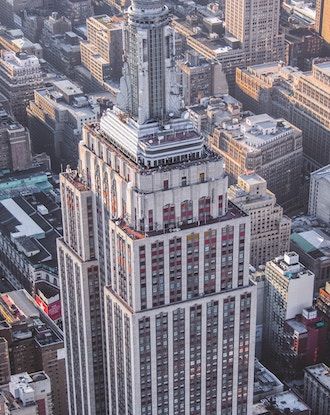
Empire State Building
When the 1933 movie King Kong depicted the giant ape hanging from its side, the Empire State Building entered the hearts and minds of people around the world. It has since been dubbed a National Historic Landmark and one of the seven great engineering achievements in American history. Those who travel to New York, especially those with a strong romantic streak, will want to explore its lobby, observation decks, and exhibits. When you picture the Empire State Building, you’re probably thinking of the open-air observation deck on the 86th floor. It offers a 360° view of the city. We recommend using their official observation app for a guided tour of this iconic New York view. Take the elevator to the 102nd floor to see as far as 80 miles away, then head back down to the lobby for a tour of its gold leaf Art Deco murals. Group tickets should be purchased in advance. Lesson plans for school trips are available on the Empire State Building website.
-
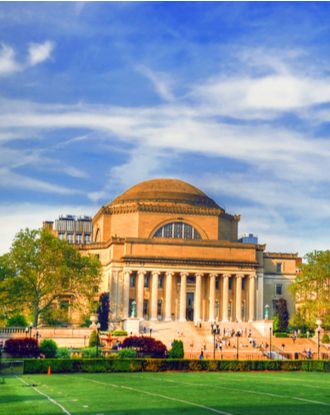
Columbia University
In 1754, eight students gathered for their first day of class at what would one day become Columbia University. That institution was called King’s College. It remained King’s College until the American Revolution, when the school was forced to close. When it reopened eight years later, it was under the name Columbia College. It took another hundred years for it to be called Columbia University. Today, Columbia is one of the top universities in the world. Students from across the globe compete for admission to Columbia’s Law School, Medical School, and Journalism School. And of course there are other draws. Columbia is home to an internationally renowned physics department that supported groundbreaking research into the atom in the 1940s. Today, researchers are at the forefront of medicine, with exciting work coming out of the Audubon biotechnology research park. Whatever subject you’re passionate about, you can be sure Columbia is making great strides in the field.
-
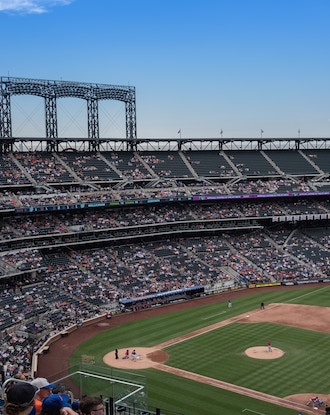
Citi Field
Built to pay tribute to Ebbets Field (the home of the Dodgers before they left for LA), Citi Field is a beautiful nod to the old style of ballparks. It’s got the red brick and limestone facade we all know and love, but with all the benefits of a complete 21st century redesign. The New York Mets call Citi Field home, and visitors from across New York and all over America flock to watch them play. Outfitted with several luxury suites and exclusive clubs, Citi Field is a great option for corporate event planners. Looking for a more casual option? The picnic area by the outfield is THE place to mingle with fellow Mets fans before and after a home game. You should also make time to browse the Mets Hall of Fame for a look at the team’s 50-year history. Whether you’re going for a company outing of a team treat, charter a bus for your next trip to Citi Field.
-
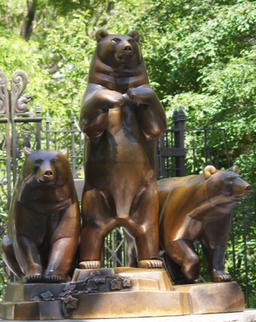
Central Park Zoo
The entire zoo property encompasses a total of 6.5 acres located at the corner of 64th Street and 5th Avenue. It is open year-round and houses animals from tropical, temperate, and polar climates. Most visitors spend between one and two hours enjoying all the attractions that the zoo has to offer. Central Park Zoo’s was preceded by a menagerie that was founded back in 1864. That menagerie later became the city’s first public zoo. From sea lions to penguins to red pandas, there is a diverse number of exhibits to see at the Central Park Zoo. There is also a 4-D Theater located just outside of the zoo grounds, but it is recommended to visit either before you head into the zoo or after you’re finished. That is because there is no re-entry allowed once you leave the zoo gates. The Children’s section of the zoo is home to sheep, goats, zebu, and more. Visitors can interact with many of the animals in this area for a truly hands-on experience.
-
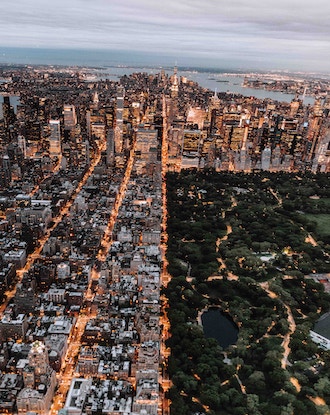
Central Park
Central Park covers a total of 840 acres between 59th and 110th Streets in Manhattan. This makes it the largest park in the city and some might argue that it’s also the most important. Historically, it is one of the first parks in the United States that was designed using the principles of landscape architecture. The original plan for Central Park was designed by architects Frederick Law Olmsted and Calvert Vaux. Central Park is historically important to the development of the city as a whole. In the 1840s, the spread of urbanization threatened to consume all of the green spaces on the island. Late in that decade, support for the preservation of the island’s green space had grown widespread and by 1856 the vast majority of the land where Central Park now sits had been purchased for a total of about 5 million dollars. In 1858, the design plans submitted by Olmsted and Vaux were chosen from amongst 33 others and construction began in earnest. A rumored 5 million trees and shrubs were planted, water supply lines were laid, and roads, trails, bridges, and arches were constructed. Central Park was officially completed and opened in 1876.